
Dark Web Exposure Rocks Top SA Courier: Supply Chain Security Under Scrutiny
A top South African courier company's data surfaces on the dark web, raising urgent questions about supply chain security and POPIA compliance for businesses.

A leading South African courier company is grappling with a significant cybersecurity incident, as sensitive operational and client data has surfaced on the dark web. The breach underscores the escalating risks faced by critical logistics providers and highlights the pervasive threat of data exfiltration for businesses across Southern Africa.
The Breach Unpacked: A Familiar Playbook
While details surrounding the attack remain limited, the appearance of internal files on the dark web typically points to a ransomware-related data exfiltration campaign where attackers steal data before encrypting systems, then leverage the threat of public disclosure as extortion. In this instance, the public leak suggests that the company either refused to pay the ransom or failed to meet the attackers' demands.
The compromised data likely includes a range of sensitive information, such as client manifests, delivery routes, financial records, employee data, and potentially personally identifiable information (PII) of customers. Such disclosures can have far-reaching consequences, from identity theft and fraud for affected individuals to competitive disadvantage and severe reputational damage for the courier company and its clients.
Supply Chain Vulnerability in the Spotlight
Courier and logistics companies form a critical nexus in the modern supply chain, handling vast amounts of data for a diverse range of businesses. A breach at such an entity is not an isolated incident; it represents a significant third-party risk for every organisation that uses their services. Client data, intellectual property, and even strategic operational plans could inadvertently be exposed through a compromised logistics partner.
This incident serves as a stark reminder for CISOs and business leaders to rigorously evaluate the cybersecurity posture of their entire vendor ecosystem. Supply chain attacks continue to be a preferred vector for cybercriminals, exploiting the weakest link to gain access to broader networks and more lucrative targets.
Proactive Defence: Lessons for SA Businesses
To mitigate similar risks, Southern African organisations must implement a multi-layered defence strategy:
- Vendor Risk Management: Conduct thorough security assessments of all third-party suppliers, particularly those handling sensitive data or critical operations. Mandate robust security clauses in contracts.
- Data Classification & Access Control: Understand what data is held where, classify its sensitivity, and enforce strict access controls based on the principle of least privilege.
- Incident Response Planning: Develop and regularly test comprehensive incident response plans. Speed of detection and response is crucial in limiting damage from data exfiltration.
- Network Segmentation: Isolate critical systems and sensitive data repositories to prevent attackers from moving laterally across the network.
- Employee Training: Foster a security-aware culture, as employees are often the first line of defence against phishing and social engineering tactics.
The South Africa / Africa Angle
For businesses in South Africa and across the continent, this incident carries significant weight. Compliance with the Protection of Personal Information Act (POPIA) is paramount, and a breach involving PII can lead to substantial fines, mandatory reporting to the Information Regulator, and costly legal ramifications. Beyond regulatory penalties, the erosion of trust in an increasingly interconnected economy can have lasting commercial impacts.
African enterprises are increasingly targeted by sophisticated cybercriminal groups, who see growing digital economies as fertile ground for exploitation. This leak is not merely an isolated event but a bellwether for the persistent and evolving threat landscape facing vital sectors like logistics, which are the backbone of economic activity in the region.
Source: Google News · ransomware South Africa
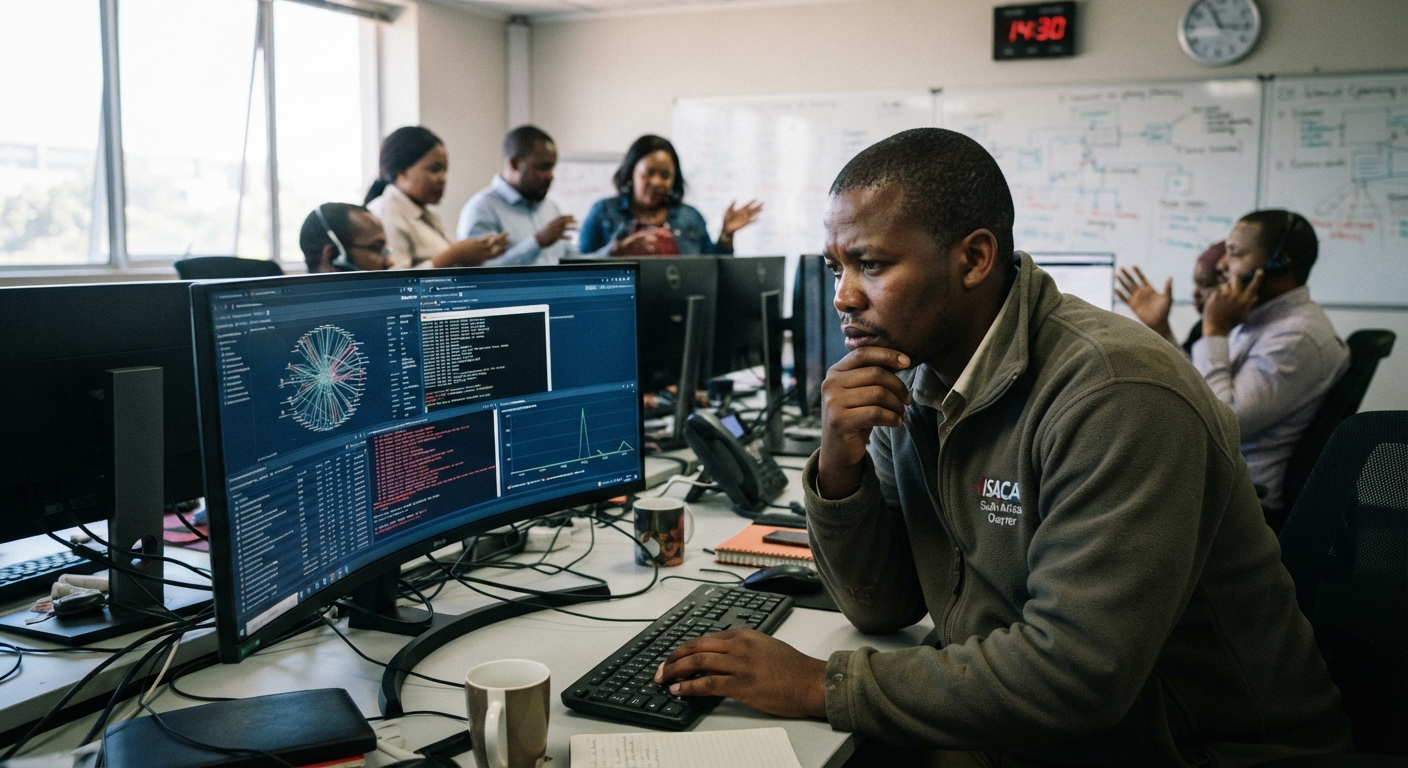
AI Unleashes New Cyber Warfare: OpenAI's GPT-6 Cyber Rewrites Vulnerability Playbook
OpenAI's GPT-6 Cyber is reshaping vulnerability discovery. Southern African CISOs face an urgent call to action against AI-driven threats. Read our analysis.
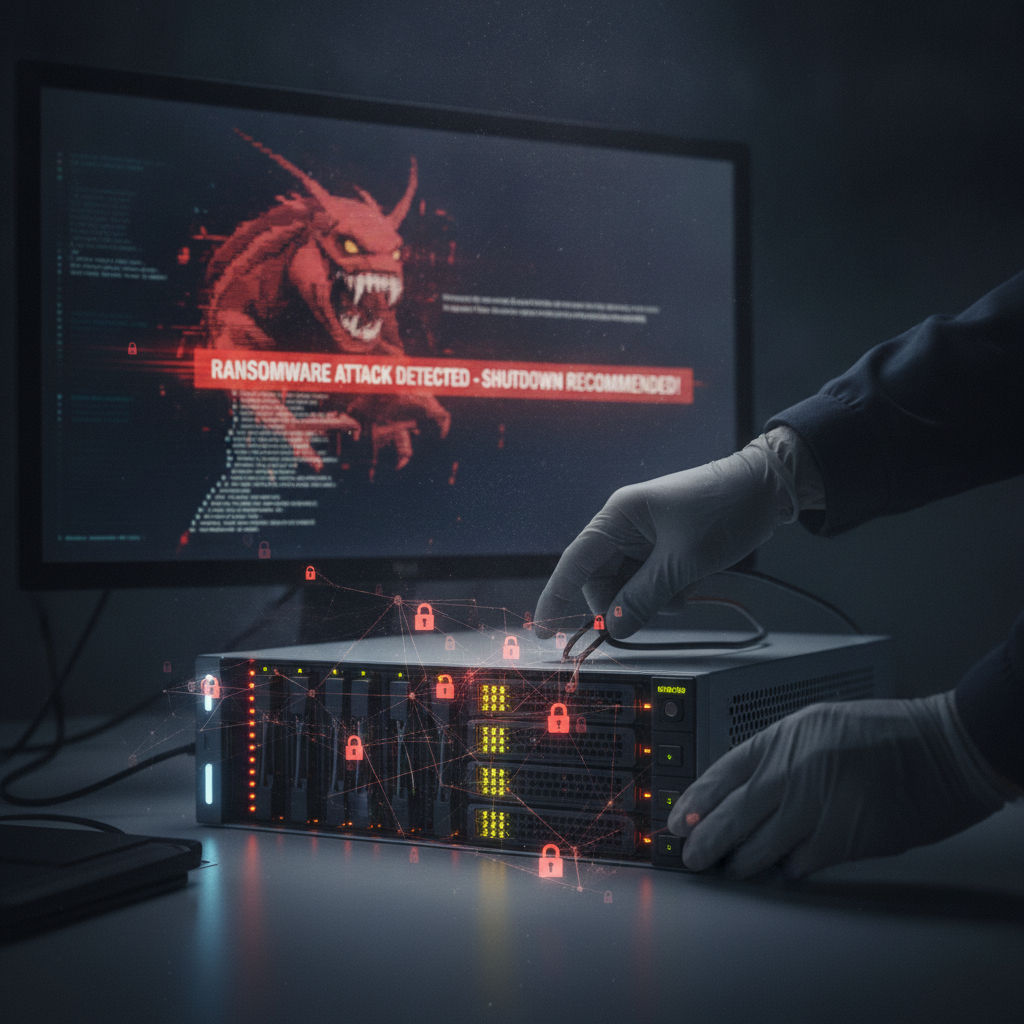
Synology NAS Under Siege: Act Now to Thwart Ransomware Attacks
Ransomware groups are exploiting unpatched Synology NAS devices. Southern African CISOs and IT teams must immediately update systems to prevent data loss and…
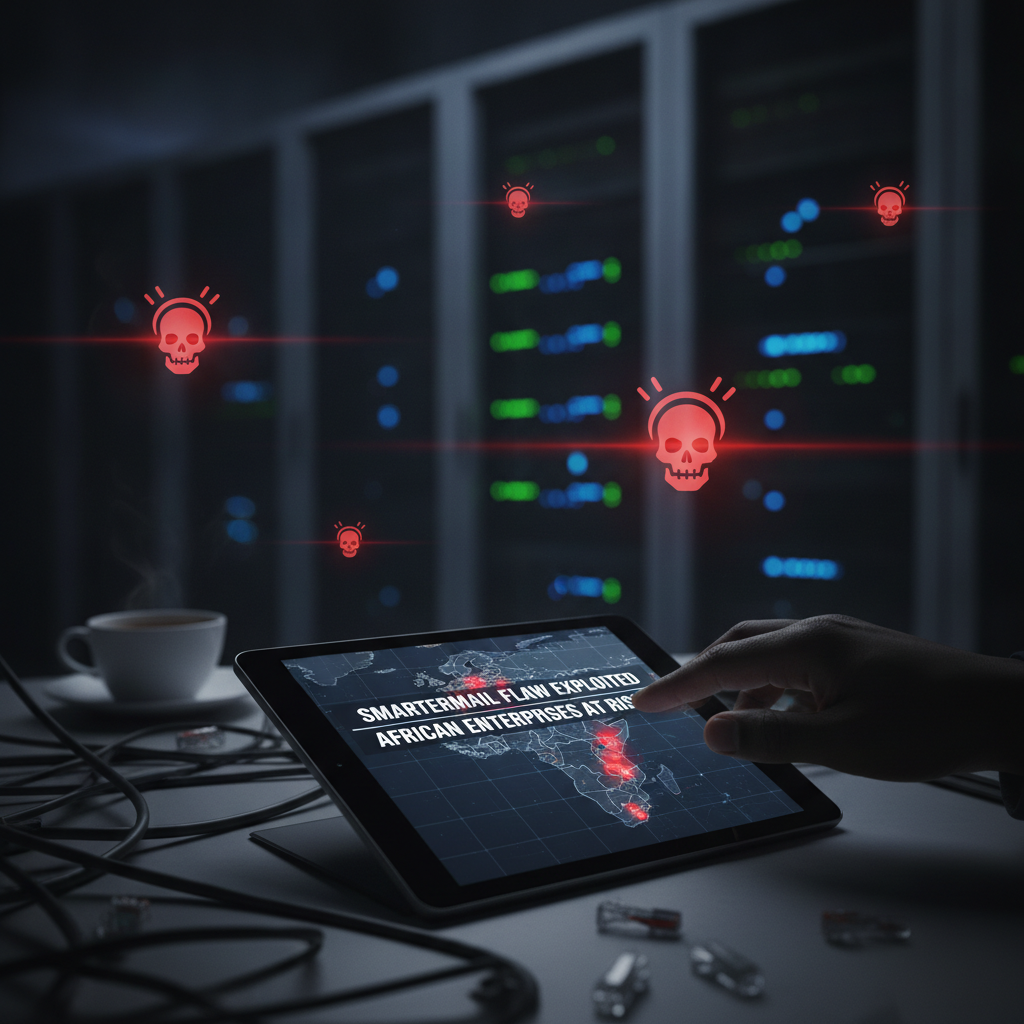
Urgent Alert: Ransomware Gangs Exploit Critical SmarterMail Flaw, African Enterprises at Risk
Urgent alert for African CISOs: Ransomware groups are actively exploiting a critical SmarterMail vulnerability (CVE-2026-24423). Patch immediately.