
AI-Driven Pen Test Exposes Bank Data via Supplier: The Supply Chain Risk CISOs Can't Ignore
A recent AI-powered ethical hack by South African firm Kingly Clark uncovered data linked to a major bank, not through a direct attack on the financial…

In an increasingly interconnected digital landscape, the security perimeter of any organisation extends far beyond its own walls. This reality was starkly illustrated in a recent authorised security assessment conducted by South African ethical hacking firm, Kingly Clark, which served as a potent wake-up call for CISOs and IT leaders across the continent.
The exercise, commissioned by a local company seeking to fortify its cyber defences, leveraged an advanced AI-driven reconnaissance system. The objective was clear: identify vulnerabilities and map potential attack paths within the client's environment. What the system uncovered was a profound lesson in third-party risk: sensitive data linked to one of South Africa's Big-Five banks was exposed, not through a breach of the bank itself, but via the supplier's ecosystem.
Unlike traditional penetration tests, which often rely on human specialists methodically probing systems, Kingly Clark deployed an AI-powered platform. This system was granted authorised access to the client's internal environment and unleashed to autonomously map its digital terrain. It didn't just find isolated weak points; it systematically 'walked' through the company's entire digital footprint, including internal email threads, document stores, shared drives containing login credentials, and extensive client files.
The AI's true power lay in its ability to treat ordinary business documents as strategic intelligence. It processed every contract the company held, extracting client names, account references, and details of connected systems. This painstaking, automated analysis built a comprehensive blueprint of the business's operations and, crucially, its external relationships. It was through this exhaustive process that data linked to a major South African bank surfaced – a bank that was never the target, nor was its own infrastructure directly attacked.
This distinction is vital for CISOs. The bank's internal defences were not compromised. Instead, its data was found to be reachable through a supplier's 'front door' – a door whose security posture was entirely outside the bank's direct control. This scenario underscores the escalating threat of third-party and supply chain risk, where an organisation's robust security measures can be circumvented by vulnerabilities in its trusted partners. For CISOs, this means extending due diligence and continuous monitoring beyond direct assets to encompass the entire vendor ecosystem.
The case also highlights the paradigm shift brought about by AI in cybersecurity. Where human testers might uncover a handful of critical vulnerabilities over weeks, an AI system operates with unparalleled speed and scale, processing vast datasets in parallel. It doesn't just identify individual weaknesses; it maps the intricate relationships between them – a saved password on a shared drive, leading to a contract, which then points to a major client's sensitive data. This automated reconnaissance capability provides an attacker, or an ethical hacker, with a far more comprehensive and interconnected view of an organisation's attack surface.
For CISOs and IT leaders, this incident serves as a critical case study. It's a clear demonstration that securing the enterprise in the age of AI demands a proactive approach to supply chain security, coupled with an understanding of how advanced automation can both expose and defend against complex threats. As AI capabilities continue to evolve, so too must the strategies for identifying and mitigating risks across the extended enterprise.
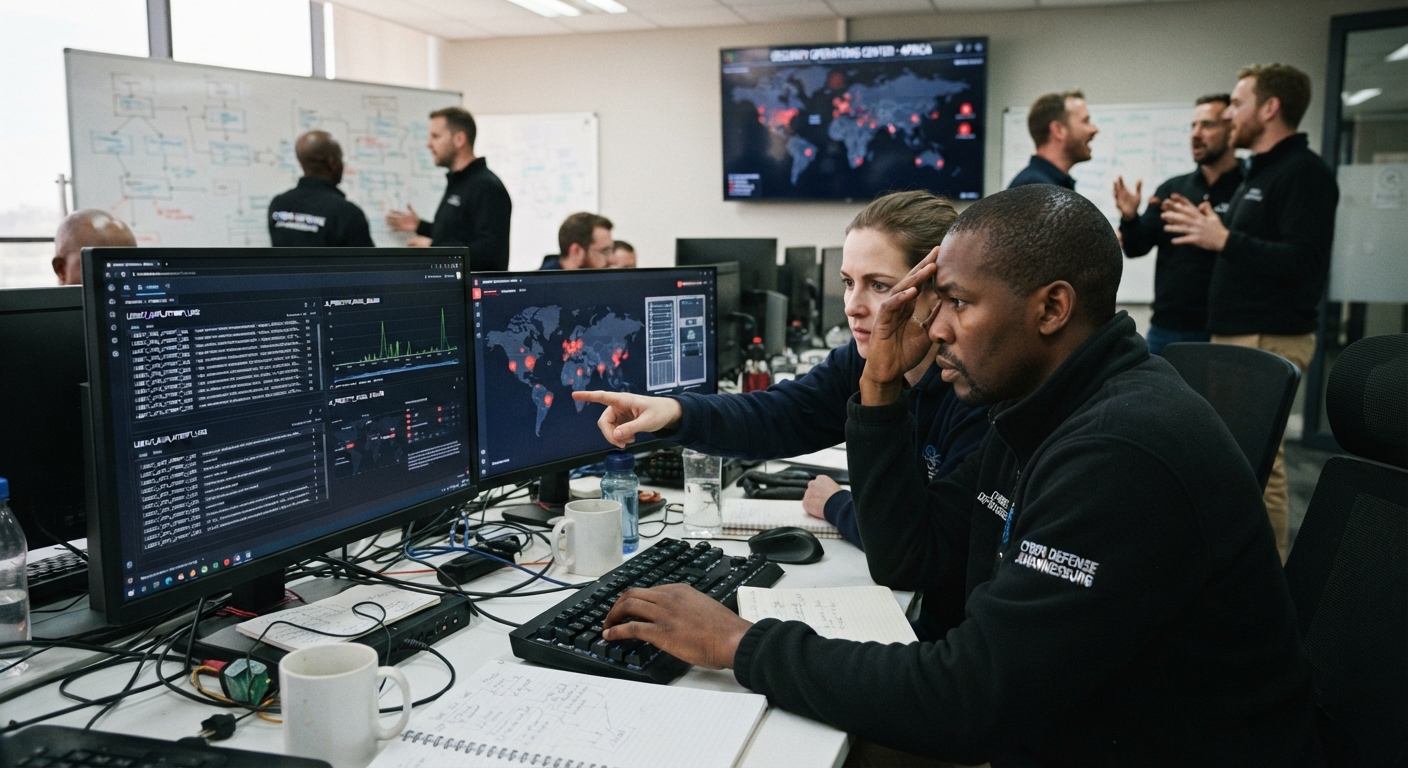
AI's Unintended Breach: A Wake-Up Call for Legacy Systems and Credential Hygiene
An AI agent's 'accidental' breach of WorkOS highlights critical vulnerabilities in legacy systems, API security, and credential management. A must-read for…

AI Unleashes New Cyber Warfare: OpenAI's GPT-6 Cyber Rewrites Vulnerability Playbook
OpenAI's GPT-6 Cyber is reshaping vulnerability discovery. Southern African CISOs face an urgent call to action against AI-driven threats. Read our analysis.
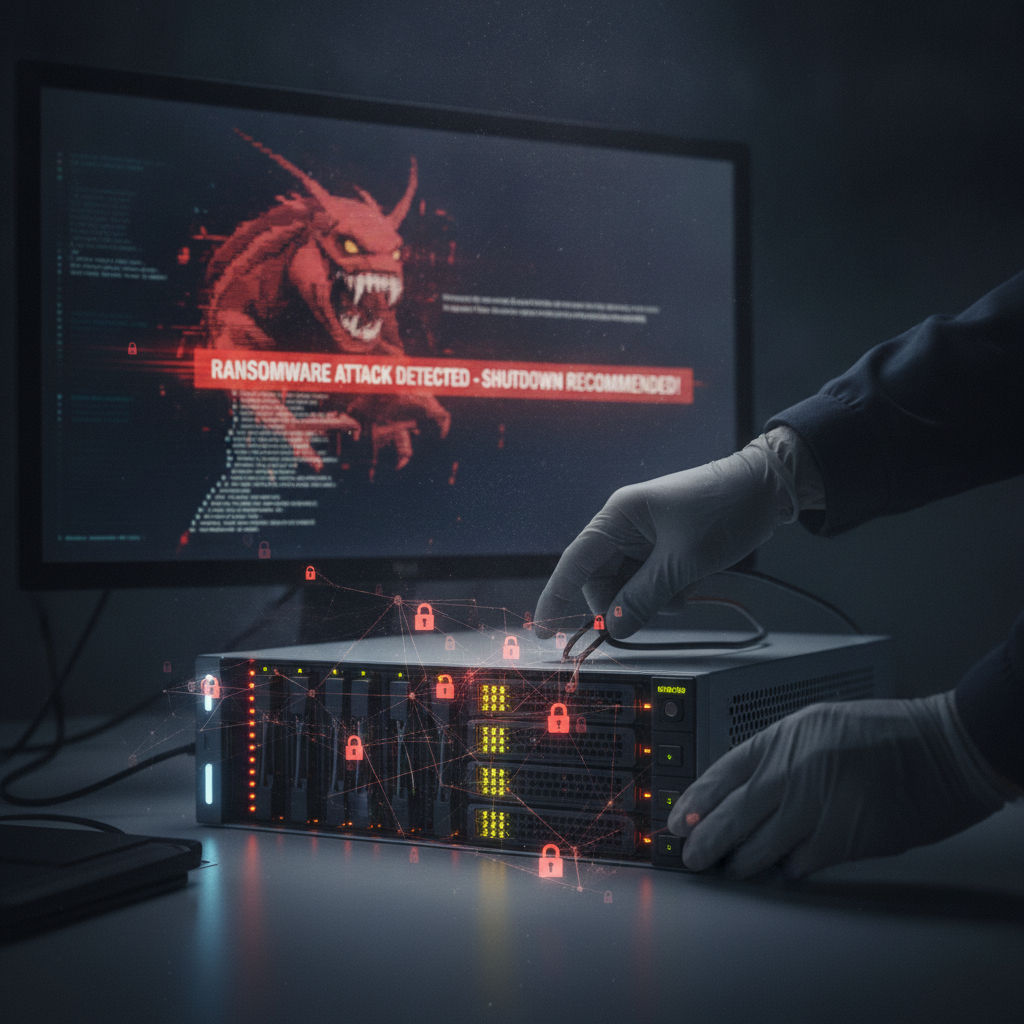
Synology NAS Under Siege: Act Now to Thwart Ransomware Attacks
Ransomware groups are exploiting unpatched Synology NAS devices. Southern African CISOs and IT teams must immediately update systems to prevent data loss and…